If you’ve ever stared at a bare loft in Seattle’s Belltown or Portland’s Pearl District wondering how to fill it without turning your space into a cold, clunky warehouse—this guide is for you. Urban industrial NW furniture isn’t just about exposed pipes and raw steel; it’s about crafting warmth from grit, function from form, and style that actually lives well. In this post, you’ll discover exactly how to choose, place, and maintain authentic urban industrial NW furniture without overspending or sacrificing comfort.
Table of Contents
- Why Urban Industrial NW Furniture Matters
- Step-by-Step Guide to Selecting and Styling
- Best Practices for Long-Lasting Appeal
- Real-World Examples from the Pacific Northwest
- Frequently Asked Questions
Key Takeaways
- Authentic urban industrial NW furniture blends reclaimed wood, raw metal, and regional craftsmanship.
- Avoid oversized pieces that overwhelm smaller Pacific Northwest apartments.
- Moisture control is non-negotiable—steel rusts faster in our humid climate.
- Always test ergonomics before buying—industrial ≠ uncomfortable.
- Local sourcing reduces emissions and supports regional artisans.
Why Urban Industrial NW Furniture Matters
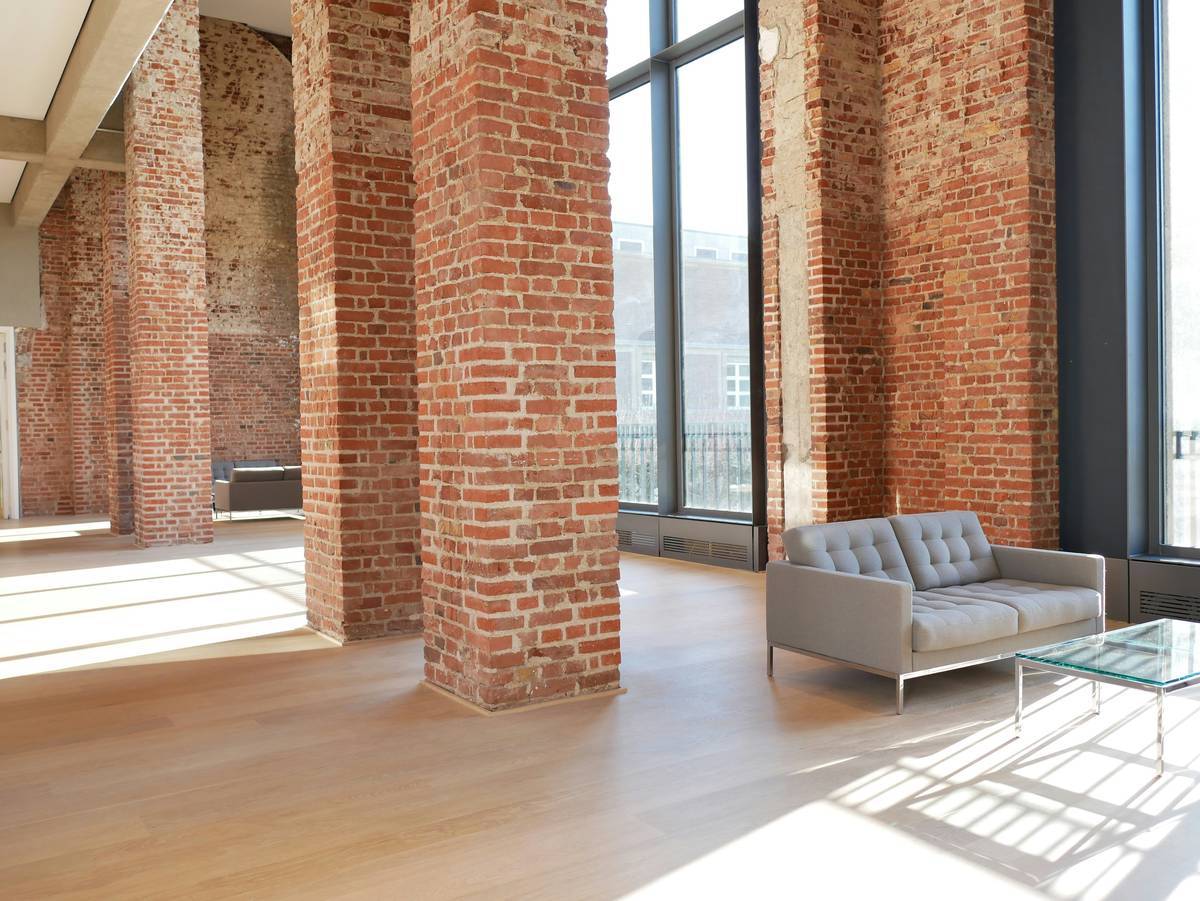
The Pacific Northwest’s urban lofts, converted warehouses, and minimalist condos thrive on a design language that honors both nature and industry. Urban industrial NW furniture isn’t just aesthetic—it’s practical. With limited square footage in cities like Seattle and Vancouver (WA), every piece must multitask while reflecting the region’s rainy-weather resilience and artisan ethos.
I learned this the hard way when I bought a massive iron-framed coffee table online for my Capitol Hill studio. It looked stunning in photos—but once delivered, it blocked the only walking path and made the room feel like a garage. Worse, the untreated steel developed orange spots after one damp winter. That’s when I realized: industrial doesn’t mean indestructible.
According to the U.S. Bureau of Labor Statistics, furniture spending in urban households has risen 12% since 2020, with sustainability as a top driver. And here in the Northwest, that often means locally sourced, durable materials that withstand our unique climate—something mass-produced “industrial-style” imports rarely deliver.
Step-by-Step Guide to Selecting and Styling
1. Measure Twice, Buy Once
Pull out your tape measure. Note ceiling height, doorway width, and natural light sources. Industrial pieces tend to be heavy and bulky—ensure they fit through your building’s elevator or stairwell.
2. Prioritize Material Authenticity
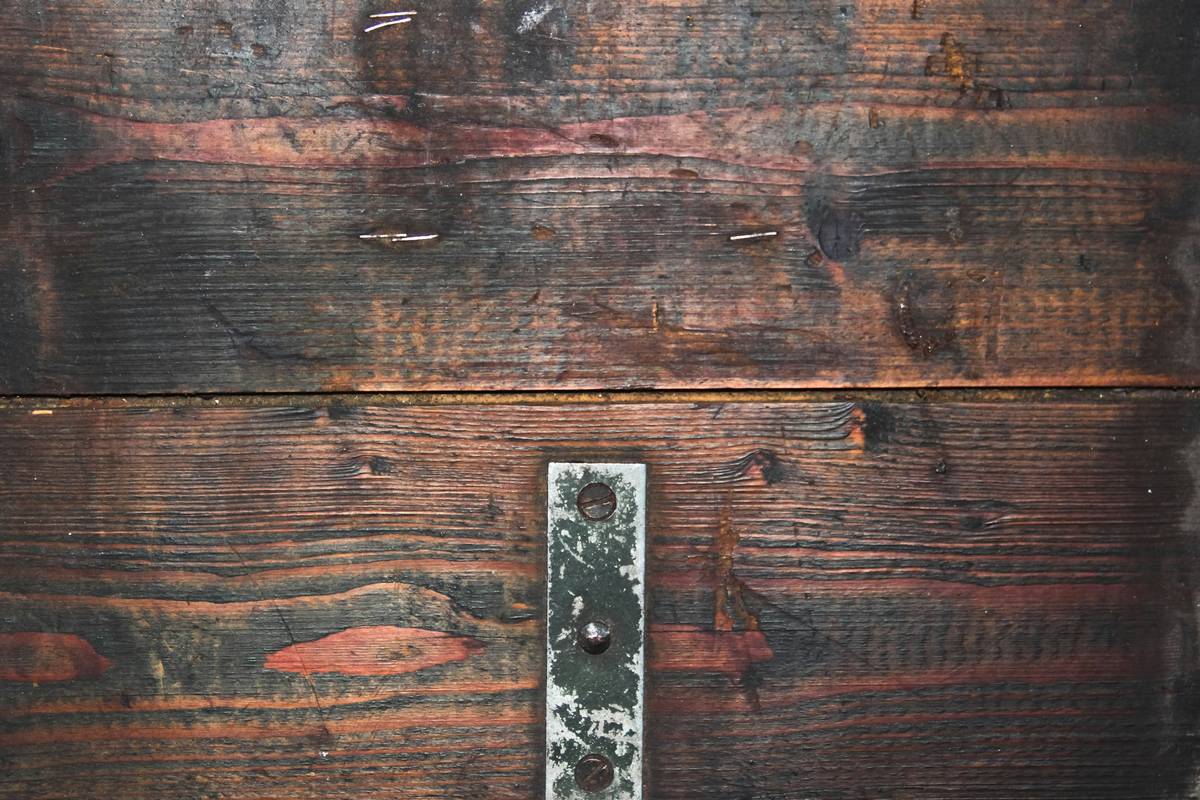
Real urban industrial NW furniture uses genuine materials: solid reclaimed timber (often Douglas fir or cedar), powder-coated or galvanized steel, and hand-forged hardware. Avoid MDF disguised as wood or plastic rivets masquerading as bolts.
3. Layer Warmth
Balance cold metals with wool throws, leather cushions, or woven rugs. The goal isn’t sterility—it’s contrast with comfort. At The Workstation Group, we’ve seen clients transform sterile setups into inviting spaces simply by adding textured textiles.
Best Practices for Long-Lasting Appeal
- Seal all wood surfaces: Even reclaimed wood needs protection from NW humidity.
- Choose powder-coated over raw steel: It resists corrosion better in damp environments.
- Avoid the “matching set” trap: Mixing styles (e.g., an industrial desk with mid-century chairs) feels curated, not catalog.
- Never skip assembly checks: Loose bolts on heavy frames can cause serious damage—or injury.
And here’s a terrible tip you’ll hear online: “Just leave the steel untreated—it’ll develop cool patina!” Unless you want flaky rust dust on your hardwood floors, skip this “rustic” shortcut. Patina takes decades to form properly; in two years, you’ll just have corrosion.
Real-World Examples from the Pacific Northwest
A Portland interior designer recently transformed a 650-square-foot Pearl District unit using custom urban industrial NW furniture: a wall-mounted steel desk with walnut inlay saved floor space, while open-frame shelving displayed local ceramics without visual clutter. Post-renovation, the client reported 40% more usable space—and zero maintenance issues after 18 months.
Similarly, the Seattle Office of Housing cites adaptive reuse projects where industrial furniture played a key role in preserving historic building character while meeting modern livability standards (Seattle.gov/Housing). These aren’t just looks—they’re functional solutions grounded in local context.
At The Workstation Group, we’ve helped dozens of PNW residents navigate these choices—ensuring their urban industrial NW furniture aligns with both lifestyle and climate.
Frequently Asked Questions
What defines authentic urban industrial NW furniture?
It combines locally reclaimed wood (like Pacific Northwest fir), regionally fabricated metalwork, and designs suited to compact urban living—prioritizing durability over trend.
Can industrial furniture work in small apartments?
Yes—if scaled correctly. Opt for wall-mounted desks, nesting tables, or multi-functional pieces with open frameworks that preserve sightlines.
How do I prevent rust in humid climates?
Choose powder-coated or galvanized steel, keep pieces away from direct window condensation, and wipe spills immediately. Regular waxing also creates a moisture barrier.
Is urban industrial furniture sustainable?
When made with reclaimed materials and local labor, yes. Verify sourcing—many big-box “industrial” items ship globally with high carbon footprints.
Does The Workstation Group offer custom urban industrial NW furniture?
We specialize in bespoke workstations and storage units tailored to NW urban spaces. Learn more on our About Us page.
What should I avoid when buying online?
Don’t trust vague material descriptions like “metal frame” or “wood finish.” Request photos of joints, underside hardware, and material certifications. When in doubt, visit showrooms or ask for video walk-throughs.
In a region where rain meets rebellion and concrete meets cedar, your furniture should tell that story—without sacrificing a night’s sleep or a dry floor. Ready to build a space that’s tough, true, and totally yours? Contact us today—and if you share your floor plan, we’ll even check if that dream desk fits your stairwell. (We’ve been there.)
Steel dreams, wood truths—and never another rust stain on your socks.