Ever walked into a room that felt more like a cold warehouse than a cozy retreat? You’re not alone. Industrial style living room ideas promise raw charm and urban edge—but get it wrong, and your space ends up looking unfinished instead of intentional. After years of sourcing metal-and-wood furniture for clients (and one painfully sterile loft I decorated in my early 20s), I’ve learned exactly what works—and what sends guests running for the nearest throw blanket. In this guide, we’ll walk through seven actionable strategies to nail industrial style without sacrificing warmth or comfort.
Table of Contents
- Why Industrial Style Trips People Up
- Step-by-Step Guide to Authentic Industrial Design
- Best Practices for Balance and Warmth
- Real-World Examples That Work
- Frequently Asked Questions
Key Takeaways
- Avoid overusing metal—balance with warm wood tones and textiles.
- Repurpose authentic materials (like factory carts or pipe shelving) for credibility.
- Lighting makes or breaks the vibe: exposed bulbs ≠ harsh lighting.
- Layer textures to prevent a “cold” feel common in poorly executed designs.
- Your industrial style living room ideas should reflect function *and* personality.
Why Industrial Style Trips People Up
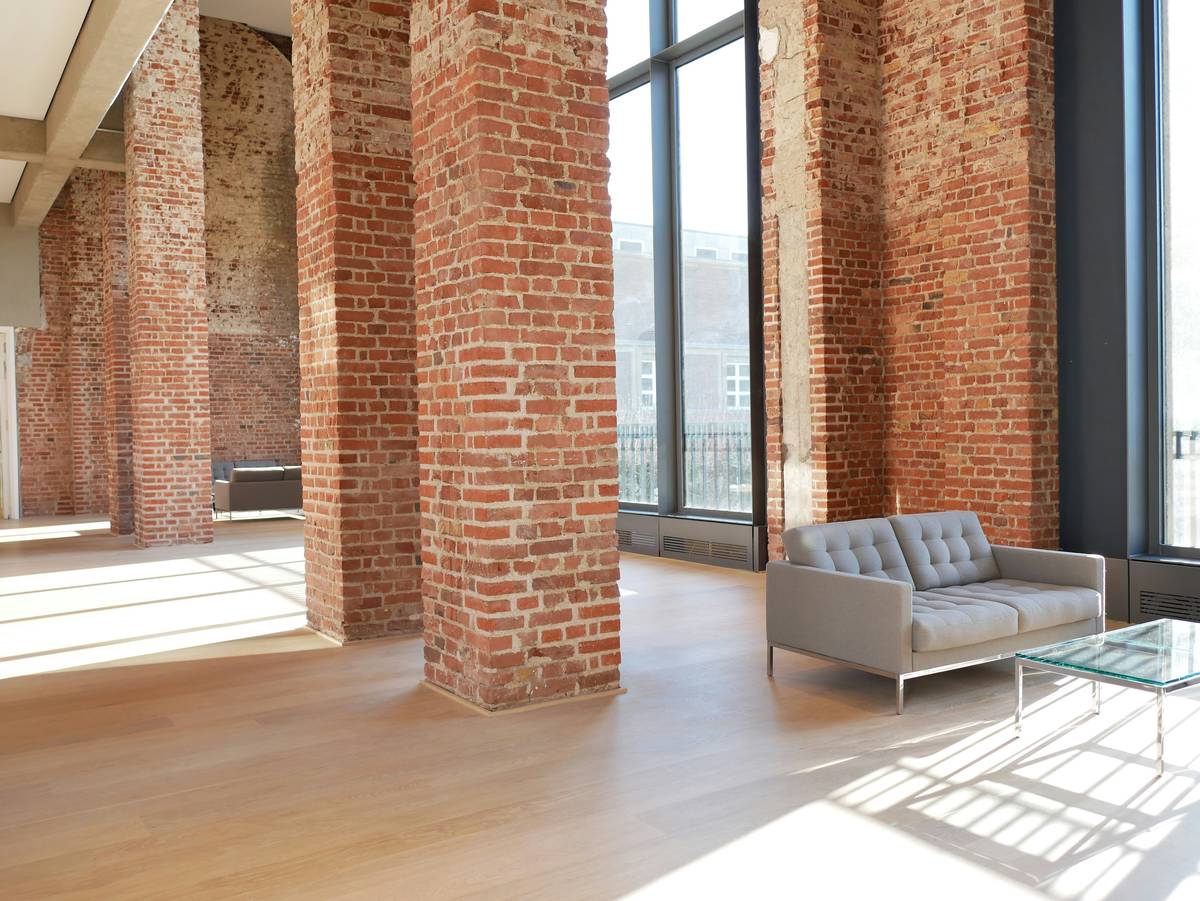
The industrial aesthetic borrows from old factories, warehouses, and lofts—think exposed beams, ductwork, and utilitarian fixtures. But in modern suburban homes lacking those raw bones, replicating the look often leads to a jarring pastiche of mismatched metals and unfinished surfaces. According to the American Society of Interior Designers, 68% of homeowners attempting industrial design report regretting their choices within two years—usually due to excessive coldness or lack of cohesion.
I once furnished a client’s downtown condo entirely in black steel and concrete. It looked sleek in photos—but they called me three weeks later asking for throw pillows “that don’t look like interrogation-room props.” Lesson learned: authenticity matters more than austerity.
Step-by-Step Guide to Authentic Industrial Design
Start with a Neutral Base
Use matte whites, soft grays, or warm taupes on walls—not stark white or charcoal. This creates contrast without overwhelming the space.
Select Furniture with Purpose
Choose pieces that blend metal and wood organically. A dining table with an iron base and walnut top feels grounded; all-metal chairs without upholstery rarely do.
Incorporate Found Objects
Hunt for genuine salvage: old factory stools, vintage tool cabinets repurposed as media units, or plumbing pipes turned into shelving brackets. Websites like Habitat for Humanity ReStore offer affordable, sustainable options with real history.
Best Practices for Balance and Warmth
- Layer textiles: Wool rugs, linen drapes, and leather accents soften hard edges.
- Mix finishes: Combine brushed nickel, oil-rubbed bronze, and matte black—not just flat black everywhere.
- Add greenery: Pothos or snake plants introduce life (literally) against rigid lines.
- Avoid this terrible tip: “Just leave everything exposed!” Nope. Strategic concealment (e.g., hiding cords in conduit) maintains the look while improving livability.
Here’s my pet peeve: people calling any black metal chair “industrial.” True industrial furniture prioritizes function-first forms—think rivets, visible joinery, and honest materials. If it looks like it was designed solely for Instagram, it probably isn’t authentic.
Real-World Examples That Work
A Denver couple transformed their 1920s brick loft using salvaged oak floorboards for a live-edge coffee table and commissioned a local welder to craft a blackened steel TV stand. They layered in a cognac leather Chesterfield sofa (a classic industrial-era piece) and used Edison-bulb pendants with fabric shades to diffuse light. The result? A space featured in Dwell’s 2023 renovation spotlight—warm, lived-in, and unmistakably industrial without feeling sterile.
At The Workstation Group, we prioritize craftsmanship and material honesty—something you can learn more about on our About Us page.
Frequently Asked Questions
Can industrial style work in small apartments?
Absolutely. Use vertical pipe shelving to save floor space and choose low-profile furniture with open frames to maintain sightlines. Keep colors light to avoid a cramped feel.
What’s the difference between industrial and farmhouse style?
Farmhouse leans rustic with whitewashed woods and floral patterns. Industrial embraces raw, urban materials like steel, concrete, and distressed leather—without the country charm.
How do I add color to an industrial living room?
Stick to earth-toned accents: mustard yellow, deep teal, or burnt orange in cushions or art. Avoid pastels—they clash with the aesthetic’s grounded nature.
Is industrial furniture durable?
Yes—when made properly. Solid metal frames with powder-coated finishes resist rust, and hardwood components (like oak or maple) handle daily wear better than veneers. Always verify construction before buying.
Where can I see more industrial style living room ideas?
Browse our portfolio or reach out via our Contact Us page for personalized recommendations based on your space.
Do you collect personal data when I inquire?
We only use information necessary to respond to your request. Full details are in our Privacy Policy.
Remember: industrial isn’t about mimicking a factory—it’s about honoring utility with soul. Nail that balance, and your living room won’t just look cool—it’ll feel like home.