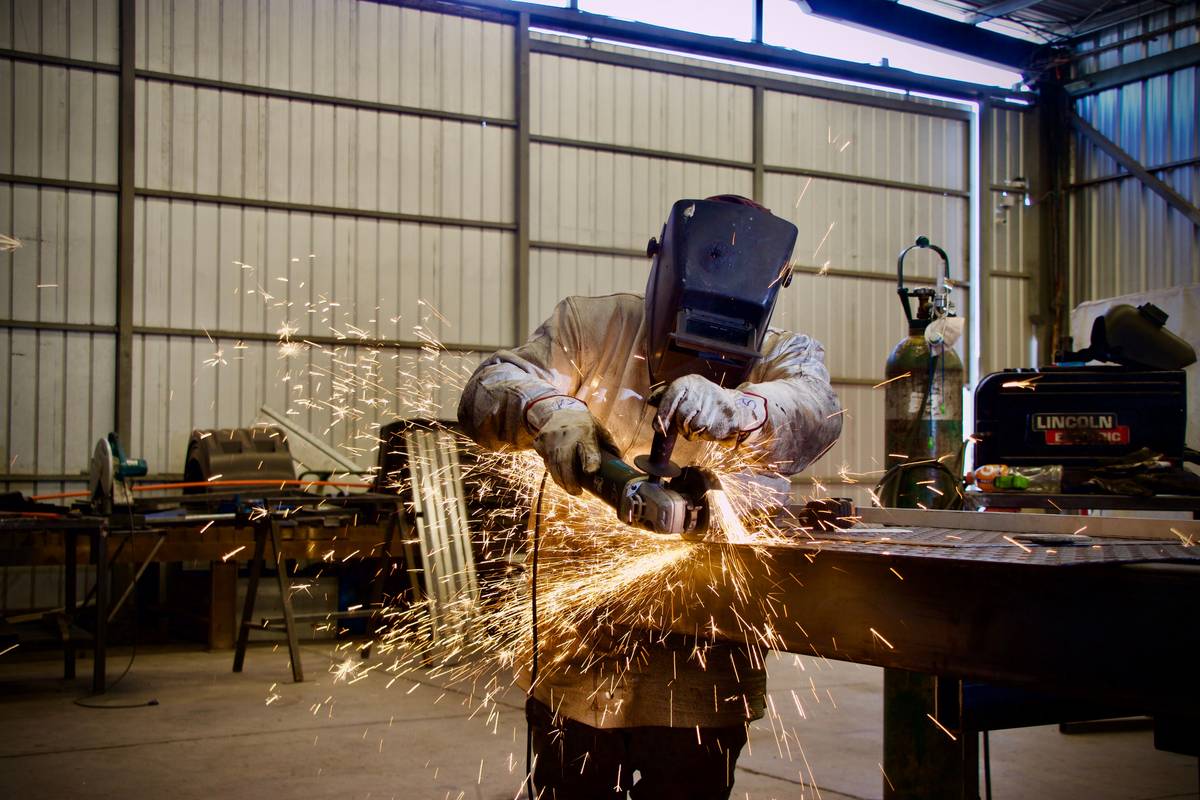
You’re tired of flimsy, overpriced “industrial” furniture that falls apart after six months. The big-box stores sell you style without substance—thin metal frames bolted to particleboard disguised as reclaimed wood. And it shows. But what if you could craft authentic diy metal wood industrial furniture yourself? Real steel. Real timber. Built to outlive trends—and your lease.
Why Most DIY Industrial Projects End Up in the Dumpster
Most tutorials skip the brutal truth: mismatched materials fail fast. You weld a 1/8″ steel base to green oak without accounting for expansion—crack. Or you sandblast rust off pipe without sealing it—hello, orange dust in three months. The problem isn’t skill. It’s sequence.
And aesthetics alone won’t save you. Industrial design isn’t just exposed bolts and rough edges—it’s engineered honesty. If your joinery screams “duct tape fix later,” it’s not industrial. It’s amateur hour.
How to Build Real DIY Metal Wood Industrial Furniture—Step by Step
Forget Pinterest hacks. This is how pros do it—with minimal tools and maximum durability.
Choose Your Materials Like a Fabricator
Ditch pine. Use kiln-dried white oak or maple—dense, stable, finishes beautifully. For metal, go with hot-rolled steel (not cold-rolled; too brittle) or black iron pipe rated for structural use. Thickness matters: 1/4″ steel plate for bases, 1.5″ OD pipe for legs.
Join Wood and Metal Without Compromise
Never screw directly into end grain. Instead, pocket-hole the wood or use threaded inserts epoxied into pre-drilled holes. Then bolt through steel plates welded to your frame. This distributes load evenly—no wobble, no split wood.
Finish for Function First
Oiling wood? Use pure tung oil—not Danish oil (it yellows). For steel, skip spray paint. Go with a 2-part cold galvanizing compound (zinc-rich), then wipe with linseed oil. It ages beautifully instead of peeling.
| Method | Cost (Est.) | Durability | Beginner-Friendly? |
|---|---|---|---|
| Bolted Steel + Reclaimed Oak | $180–$320 | 10+ years | Yes |
| Welded Frame + Plywood Top | $90–$150 | 2–3 years | No (needs welding cert) |
| Pipe + MDF “Industrial” | $60–$100 | <1 year | Yes—but don’t bother |
The Industry Secret No One Talks About
Here’s what furniture makers whisper about: industrial style thrives on controlled imperfection—not randomness. That scratch on the steel? Intentional. The knot in the wood? Highlighted, not hidden. But the structure underneath must be flawless.
The math is simple: spend 70% of your time on the unseen—squareness, level joints, corrosion protection. The “grunge” takes five minutes at the end with a wire brush and vinegar solution. Authenticity isn’t messy. It’s meticulously imperfect.
Frequently Asked Questions
Can I build industrial furniture without welding?
Yes. Use bolt-together steel kits or black iron pipe fittings. Structural integrity comes from smart mechanical joints—not just molten metal.
What wood pairs best with raw steel?
Hardwoods like white oak, walnut, or ash. Avoid softwoods—they dent easily and contrast poorly with rugged metal.
How do I prevent rust on my metal frame?
Clean with acetone, apply zinc-rich primer, then seal with boiled linseed oil. Reapply oil every 18 months.