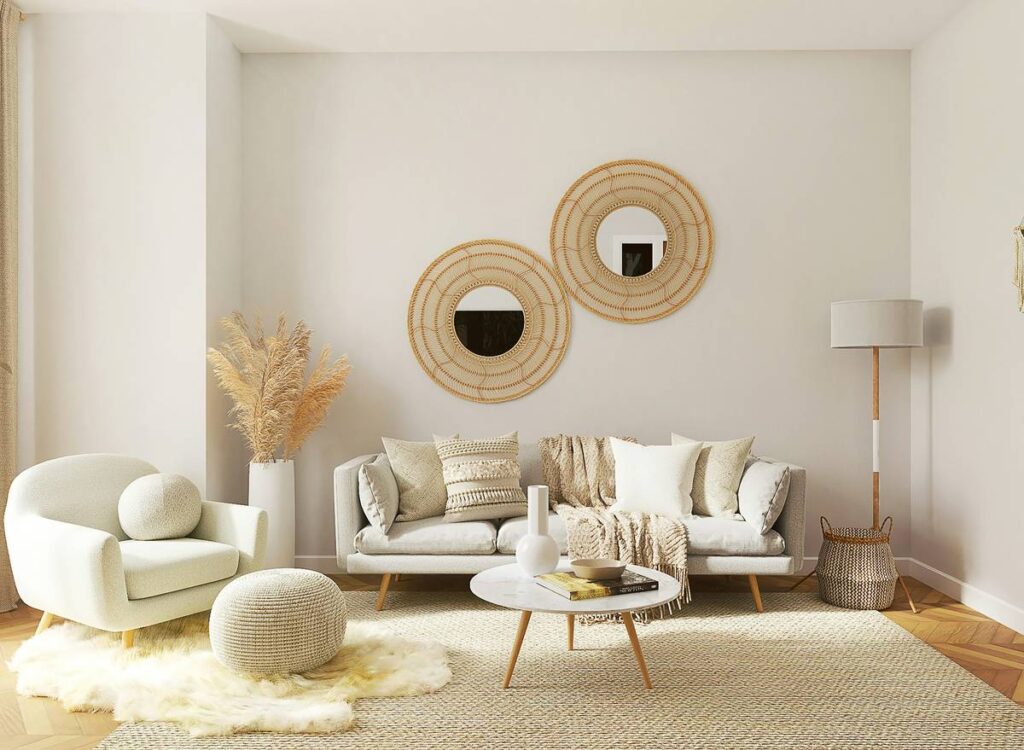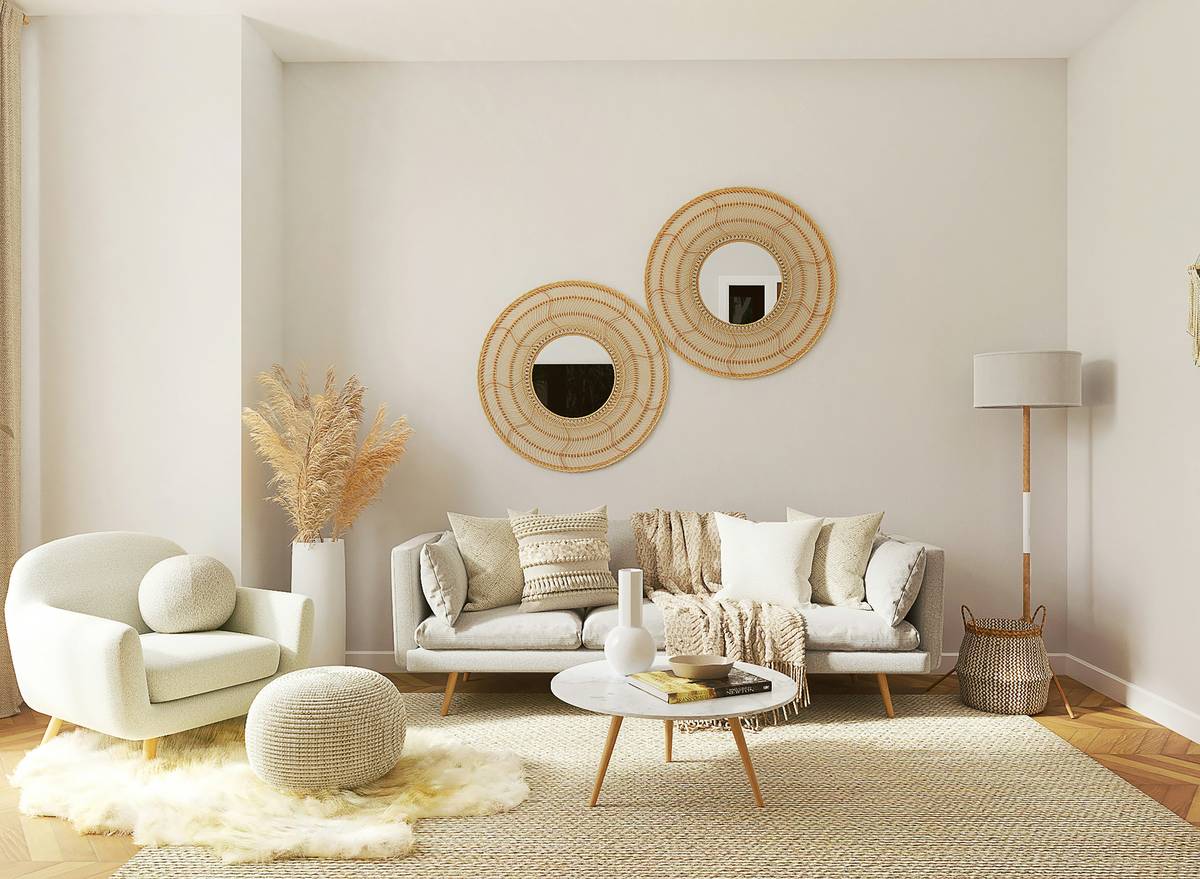
Your living room feels generic. Too much beige, too many rounded corners, zero personality. And every “contemporary” piece you buy disappears into the background like wallpaper. You crave something with grit—furniture that reflects city energy, not suburban sleepiness. The fix? modern industrial living room furniture—where steel meets reclaimed wood and form follows function without begging for attention.
Why Traditional “Urban” Furniture Fails the Authenticity Test
Most retailers slap an “industrial” label on anything with black legs or exposed screws. Pathetic. True industrial design isn’t just aesthetic—it’s born from utility. Factories didn’t install riveted coffee tables because they looked cool; they used what was durable, available, and unbreakable. Today’s mass-market knockoffs miss that DNA entirely.
They’re lightweight, hollow-core imitations with faux-distressed finishes that peel after six months. Worse—they clash with actual architectural elements in lofts or converted warehouses. And if your space has real ductwork or concrete columns? These pieces look like costume jewelry at a construction site.
How to Source & Style Modern Industrial Living Room Furniture That Lasts
Forget shopping by style alone. Start by auditing your space’s bones—ceilings, floors, existing hardware. Then build around them.
Step 1: Identify Your Space’s Structural Story
Is your ceiling exposed? Are pipes visible? Do you have original timber beams? Note these. Authentic industrial furniture should echo—not compete with—these features. A steel-framed sofa might sing under 12-foot ceilings but overwhelm a standard 8-foot room.
Step 2: Prioritize Material Integrity Over Finish
Avoid “industrial-looking” MDF wrapped in laminate. Insist on solid metal (steel, iron, or aluminum) and real wood—preferably reclaimed or sustainably sourced hardwood. The patina matters. New hot-rolled steel develops a natural oxide layer over time; powder-coated finishes stay static and fake.
Step 3: Mix Eras Thoughtfully
Industrial isn’t stuck in the 1920s. Blend vintage factory carts with clean-lined modern sectionals. The tension between old and new is where urban style thrives. Just keep proportions balanced—don’t pair a massive riveted cabinet with spindly accent chairs.
| Material Type | Durability (1–10) | Avg. Cost Range | Maintenance Needs |
|---|---|---|---|
| Reclaimed Hardwood + Steel | 9 | $800–$2,500 | Low—wipe metal; oil wood annually |
| New Pine + Iron (Budget) | 6 | $300–$700 | Moderate—prone to scratches; rust spots if humid |
| Faux Wood Laminate + Aluminum | 4 | $150–$400 | High—chips easily; looks worn fast |

The Industry Secret: Repurpose Before You Buy
Here’s what no showroom tells you: the best industrial pieces aren’t sold—they’re salvaged. Machine bases from decommissioned textile mills, steel locker units from old schools, even hospital bed frames can become coffee tables or media consoles. One NYC designer I know transformed a 1940s printing press roller into a dining table base—cost: $200 at a surplus auction. Retail equivalent? $3,200.
And it’s not just about savings. These items carry micro-histories that mass production can’t replicate. They also age uniquely—developing nicks and tones that reflect your life, not a factory’s spray booth. Start haunting salvage yards, estate auctions, and even Facebook Marketplace filters for “industrial equipment.” Clean, seal, add glass or wood top—and you’ve got one-of-a-kind modern industrial living room furniture with soul.
Frequently Asked Questions
What defines modern industrial living room furniture?
It blends raw materials like steel and reclaimed wood with minimalist lines—stripping away ornamentation while highlighting structural honesty. Function dictates form.
Can industrial furniture work in small apartments?
Yes—if scaled correctly. Choose open-frame designs (like mesh-back chairs or leggy side tables) to preserve sightlines. Avoid bulky, solid-block pieces that eat square footage.
Is industrial style still trending in 2024?
Absolutely—but evolved. Today’s take mixes warm metals (brushed brass accents) with cooler steel and integrates softer textiles to avoid a warehouse-cold feel. It’s industrial, not institutional.