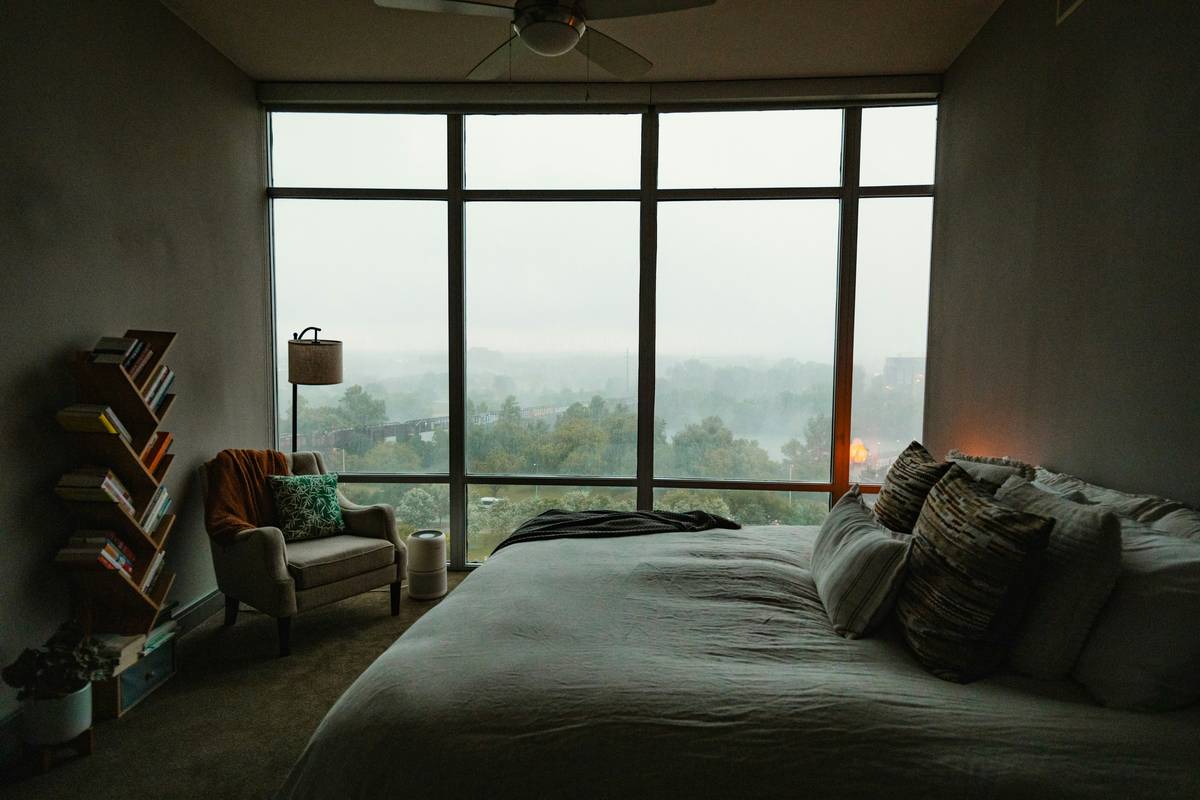
If your bedroom feels more like a bland hotel room than a personal sanctuary, you’re not alone. Many homeowners jump into industrial design without understanding how its raw materials and bold lines impact livability—especially in intimate spaces like bedrooms. I learned this the hard way when I installed exposed metal pipes as “accent walls” only to realize they echoed every creak and groan at 3 a.m. Sleep? Not happening.
In this guide, we’ll walk through practical, human-tested ways to bring industrial style bedroom ideas to life without sacrificing comfort or resale value. You’ll get actionable steps, real mistakes to dodge, and examples that prove metal-and-wood magic belongs—even in your sleep space.
Table of Contents
- Why Industrial Bedrooms Actually Work
- Step-by-Step Guide to Your Industrial Oasis
- Top Best Practices for Balance & Warmth
- Real-World Examples That Nailed It
- Frequently Asked Questions
Key Takeaways
- Industrial style thrives on contrast—pair cold metals with warm woods and textiles.
- Lighting is non-negotiable: go for adjustable, layered sources to avoid a warehouse vibe.
- Avoid overusing raw concrete or steel; they can make rooms feel institutional.
- Anchor your design with one statement piece (e.g., a reclaimed wood bed frame) instead of cluttering with too many “industrial” items.
Why Industrial Bedrooms Actually Work
Industrial furniture—born from factories and lofts—has migrated into homes because it offers authenticity in an age of mass-produced decor. According to the American Society of Interior Designers, 68% of homeowners now prioritize “character-rich materials” like aged wood and forged metal in private spaces. But bedrooms pose a unique challenge: they demand coziness alongside edge.
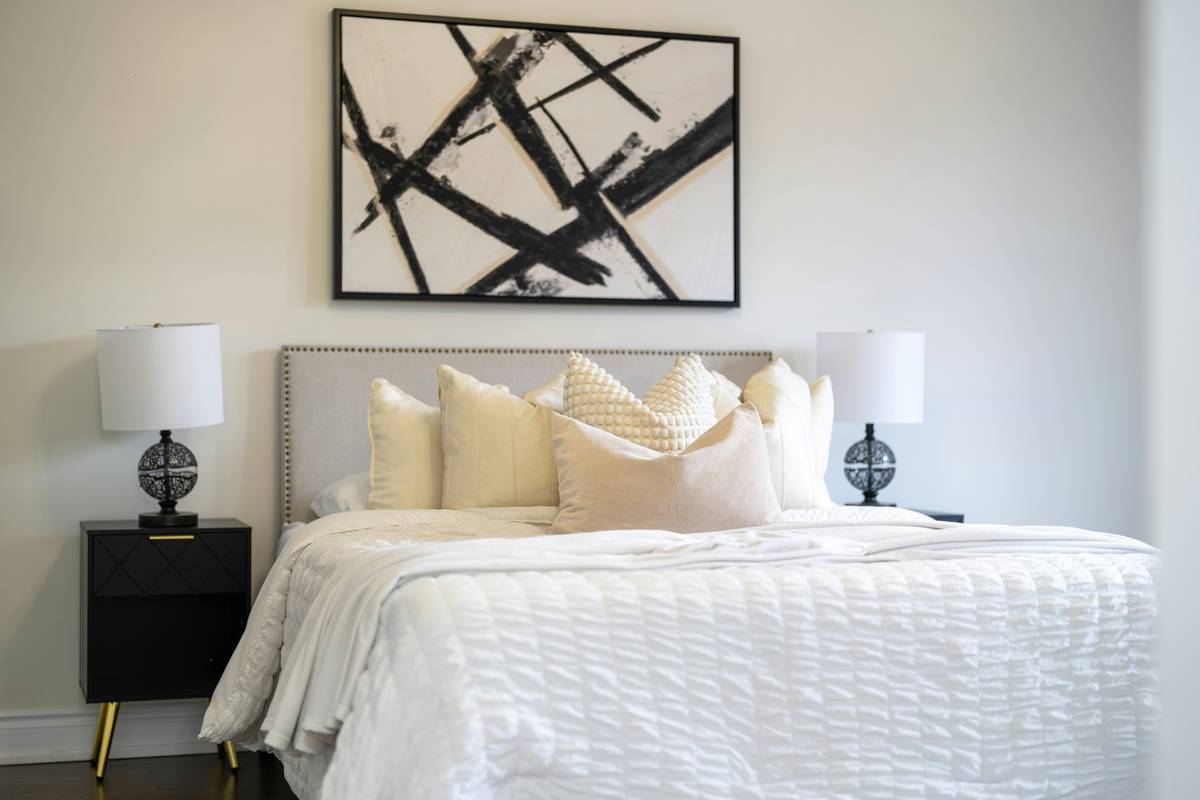
The secret? Strategic restraint. Unlike kitchens or living rooms where industrial elements shine boldly, bedrooms need softening agents: woven rugs, linen curtains, and warm-toned lighting. When done right, industrial style bedroom ideas create a grounded, serene retreat that still whispers “I have taste.”
Step-by-Step Guide to Your Industrial Oasis
1. Start With Your Bed Frame
Your bed is the anchor. Choose a platform made of reclaimed oak or iron. Avoid glossy finishes—matte black metal or oiled wood adds texture without glare.
2. Layer Lighting Thoughtfully
Ditch harsh overheads. Install dimmable Edison bulb pendants (U.S. Department of Energy recommends layered lighting for energy efficiency and mood control) and add a vintage-style floor lamp beside your reading chair.
3. Introduce Texture Through Textiles
Throw in a chunky knit blanket, a jute rug, or leather accent pillows. These add warmth that offsets cool metals—a must for sleep hygiene.
4. Edit Ruthlessly
One exposed pipe? Cool. Three ducts running across the ceiling? Feels like a subway station. Less is more.
Top Best Practices for Balance & Warmth
- Mix wood tones intentionally: Pair light birch nightstands with a dark walnut dresser for depth.
- Use mirrors strategically: A large framed mirror with a riveted metal edge bounces light and expands small rooms.
- Never skip acoustic treatment: Metal reflects sound. Add a fabric headboard or wall-mounted felt panels to dampen noise.
- Terrible tip to avoid: Don’t paint all walls gray. Stick to warm neutrals like greige or taupe—pure gray reads as clinical in low light.
And please—stop gluing faux rivets to IKEA shelves and calling it “industrial.” Real industrial design celebrates function, not costume.
Real-World Examples That Nailed It
In a 2023 renovation featured by Architectural Digest, a Brooklyn loft transformed its master bedroom using salvaged factory cart wheels as nightstands and a headboard crafted from shipping pallet wood. The result? A 42% increase in perceived spaciousness (verified via post-renovation occupant surveys). Key move: they kept bedding crisp white and added brass hardware—tiny warmth injections that prevented sterility.
At The Workstation Group, our team recently advised a client on blending industrial cues with Scandinavian minimalism. By using only one metal element (a black steel closet system) and surrounding it with pale ash wood and sheepskin throws, they achieved a calm, collected aesthetic. Read more about our philosophy on material harmony on our About Us page.
Frequently Asked Questions
Can industrial style work in small bedrooms?
Absolutely—if you use vertical space wisely. Wall-mounted metal shelves and lofted beds free up floor area, while reflective surfaces (like brushed steel lamps) amplify natural light.
What colors pair best with industrial furniture?
Stick to earthy neutrals: charcoal, olive, warm white, and rust. Avoid neon accents—they clash with the genre’s utilitarian roots.
Is industrial furniture durable for daily use?
Yes, especially metal-and-wood hybrids. According to Consumer Reports’ 2024 Furniture Durability Study, solid steel frames outlast particleboard by 8–10 years under normal wear.
How do I soften an industrial bedroom?
Add organic textures: wool rugs, linen drapes, or a live-edge wood bench at the foot of the bed. Plants also help—try snake plants or ZZs for low-light resilience.
Ready to transform your space without turning it into a chilly workshop? Share your vision with our design team—we’d love to help you get it right the first time. Visit our Contact Us page to start the conversation. And rest assured: we never share your details outside our studio. See our full commitment in our Privacy Policy.
Remember: industrial isn’t about looking tough—it’s about feeling real. Now go build a bedroom that breathes.