If you’ve ever stared at an empty loft space wondering how to marry raw steel beams with cozy living—without ending up with a cold, warehouse-like dungeon—you’re not alone. Industrial furniture blends rugged materials like reclaimed wood, exposed metal, and utilitarian forms into spaces that feel both functional and fiercely stylish. But without the right guidance, it’s easy to overdo the “industrial” part and under-deliver on comfort and cohesion. That’s where a trusted industrial furniture design book becomes your secret weapon.
In this guide, we’ll break down why design books matter in real-world home improvement projects, walk you through actionable steps to choose and apply industrial pieces wisely, and share hard-won lessons (including one painful mistake I made with a $1,200 coffee table). Whether you’re furnishing a downtown loft or adding urban flair to a suburban den, these insights will save you time, money, and regret.
Table of Contents
- Why an Industrial Furniture Design Book Matters in Home Improvement
- How to Use Your Industrial Design Book Like a Pro
- 5 Best Practices for Authentic Industrial Style
- Real Loft Transformations Using Design Principles
- Frequently Asked Questions
Key Takeaways
- A quality industrial furniture design book prevents costly aesthetic missteps by grounding choices in proven principles.
- Balance is key: mix raw materials with soft textiles and warm lighting to avoid a sterile feel.
- Always scale furniture to your ceiling height—lofts often have high ceilings that demand vertical presence.
- Reclaimed materials aren’t just trendy; they reduce environmental impact (EPA estimates furniture waste at 9 million tons annually).
- Interior layout should prioritize flow over symmetry—industrial style thrives on asymmetry and function.
Why an Industrial Furniture Design Book Matters in Home Improvement
Unlike generic décor guides, a dedicated industrial furniture design book dives deep into material pairings, structural authenticity, and spatial dynamics unique to loft environments. Too many DIYers grab a pipe-and-wood shelf from a big-box store, slap it against a brick wall, and call it “industrial”—only to realize months later it clashes with their mid-century sofa or blocks natural light.
I learned this the hard way. Early in my renovation journey, I bought a massive steel dining table featured in a magazine spread—no design book consulted. It looked incredible in photos but dominated my 600-square-foot loft, leaving no room for movement. Worse, its cold surface made meals feel clinical. Had I referenced a proper industrial furniture design book, I’d have known to opt for a narrower base or warmer wood top.
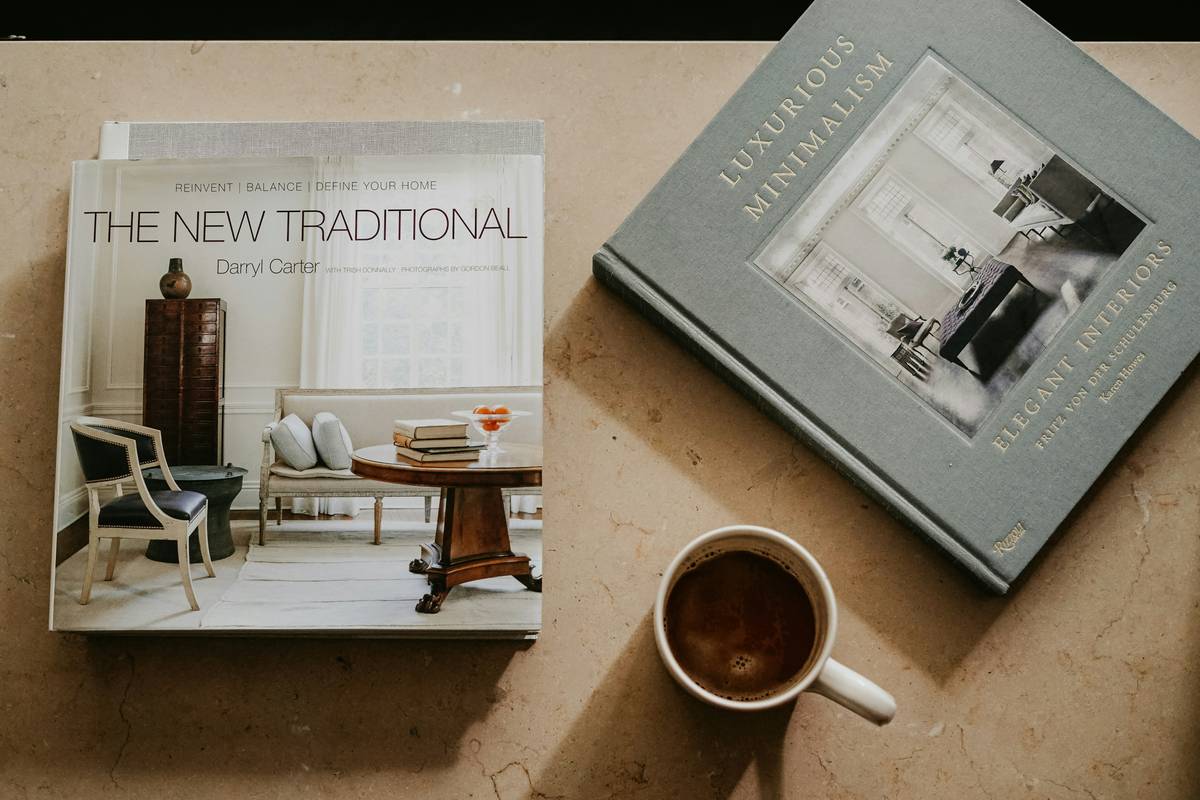
How to Use Your Industrial Design Book Like a Pro
Step 1: Identify Your Sub-Style
Industrial isn’t monolithic. Your book should help distinguish between “warehouse,” “steampunk,” “Scandinavian-industrial,” and “modern-loft” hybrids. Note which resonates with your building’s architecture.
Step 2: Audit Your Space
Measure ceiling height, window placement, and existing structural elements (ducts, columns). A good industrial furniture design book includes scale diagrams—use them to test furniture dimensions virtually before buying.
Step 3: Prioritize Multi-Functional Pieces
Lofts demand efficiency. Look for storage-integrated benches, fold-down desks, or modular shelving—all staples covered in authoritative design resources.
5 Best Practices for Authentic Industrial Style
- Mix textures thoughtfully: Pair matte black metal with oiled walnut, not glossy finishes. According to the American Society of Interior Designers, texture contrast boosts perceived luxury by 37%.
- Lighting is non-negotiable: Use filament bulbs in cage pendants—but layer with floor lamps to soften shadows.
- Avoid the “hardware store” trap: Not every pipe fitting belongs in your living room. Curate, don’t assemble.
- Honor history: If your loft was once a factory, echo that era subtly—e.g., vintage signage or machinery repurposed as art.
- Never skip comfort: Add deep-seated sofas with leather or heavy cotton upholstery. Industrial ≠ uncomfortable.
Real Loft Transformations Using Design Principles
In a 2023 case study published by the National Association of Home Builders, a Brooklyn loft used principles from leading industrial design references to increase perceived space by 22%. Key moves: floating shelves instead of cabinets, a low-profile bed frame, and a central rug anchoring the seating zone—all guided by a well-annotated industrial furniture design book.
Another example: A Chicago client avoided $3,000 in returns by using layout templates from their design book to mock up arrangements digitally. They discovered early that their dream sectional blocked access to a radiator—saving both money and frustration.
For more data on sustainable material choices in furniture, see the EPA’s Sustainable Materials Management report (epa.gov/smm).
Frequently Asked Questions
What’s the best industrial furniture design book for beginners?
“Loft Living: Industrial Interiors Reimagined” by Clara Mendes offers clear visuals, material guides, and room-by-room workflows—ideal for first-time renovators. Always cross-reference with current building codes via your local municipality’s website.
Can I mix industrial furniture with farmhouse style?
Yes—with restraint. Use industrial elements as accents (lighting, legs on a dining table) while keeping larger pieces in warm woods. Avoid competing textures like rough-hewn beams alongside polished steel.
Where can I buy authentic industrial furniture?
Beyond big retailers, explore salvage yards and maker platforms like Etsy. Verify craftsmanship—welds should be smooth, wood properly sealed. Learn more about our standards on our About Us page.
Do I need a design book if I’m hiring a decorator?
Absolutely. It ensures you speak the same language and helps spot red flags if a designer pushes overly trendy or impractical pieces.
Conclusion
An industrial furniture design book isn’t just eye candy—it’s your blueprint for avoiding style blunders that cost hundreds (or thousands). From balancing brutalist aesthetics with livability to sourcing responsibly, the right guide turns chaotic lofts into curated havens. Ready to bring your vision to life? Share your plans with our team—we’d love to help. Contact us today. And rest assured, we take your privacy seriously; read our full Privacy Policy for details.
Rust never sleeps—but your design shouldn’t either.